Showing all 10 results

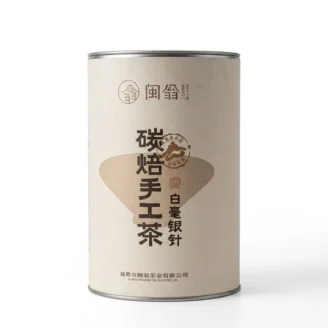
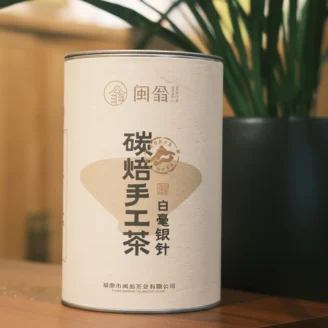
  • Carbon-Infused Handcrafted Tea Specifications:120g/can

    Carbon-Infused Handcrafted Tea Specifications:120g/can

    0 out of 5

    Description: The tea possesses the expansive and pure aroma characteristic of the charcoal-roasting process, with a prominent blend of downy and honey notes that are mellow and delicate. The tea downy tips fall off in an orderly fashion, and the downy aroma persists throughout. A rich, milky-honey aroma lingers strongly at the bottom of the cup, and the tea liquor is crystal-clear with a rich texture. Take a small sip, and it feels as though a cloud gently caresses the tongue—light, delicate, yet lively and vibrant. A hint of sweetness emerges on the tip of the tongue, accompanied by a refreshing, crisp sensation; the entire experience is a delight.


    Tasting Notes – Appearance: Plump and full-bodied, with a thick, dense downy coating

    Color: Light apricot, crystal-clear

    Aroma: Downy aroma, floral nectar aroma, and charcoal-fired aroma

    Caffeine – Low-caffeine

    Packaging – Canned

    HOW TO BREW

    Steeping Instructions

    HOT BREW

    Step 1
    🍵 Tea Leaves
    Place 3–5 g of Fuding White Tea in a cup, teapot, or gaiwan.

    Step 2
    💧 Fresh Water
    Pour 300 ml of freshly boiled water over the leaves.

    Step 3
    🌡️ Water Temperature
    Use 185°F–194°F | 85°C–90°C for young and delicate Fuding White Tea.

    Step 4
    ⏱️ Steeping Time
    Steep for 2–3 minutes, then strain and serve. Adjust the time to taste.

    Step 5
    🥂 Enjoy
    Serve plain to appreciate the tea’s natural floral aroma, sweetness, and clean finish.

    ICED BREW

    Step 1
    🧊 Cold Brew
    Place 5–6 g of tea leaves in 300 ml of cold, filtered water.

    Step 2
    ❄️ Refrigerate
    Cover and refrigerate for 1–2 hours. Strain, serve chilled, and add ice if desired.

    A SIMPLE GUIDE FOR DIFFERENT FUDING WHITE TEAS

    Bai Hao Yin Zhen · Silver Needle
    85–90°C | 2–3 min
    Gentler brewing helps highlight its delicate floral and sweet character.

    Bai Mu Dan · White Peony
    85–90°C | 2–3 min
    Slightly fuller-bodied, with floral and fresh herbal notes.

    Gong Mei & Shou Mei
    90–95°C | 2–4 min
    The more mature leaves can generally handle hotter water and longer steeping.

    Aged White Tea
    95–100°C | 30–60 sec for Gongfu-style brewing
    Hotter water can help extract the deeper, mellow character of aged tea.

    Tip: Brewing is flexible. If the tea tastes too light, use slightly more leaves or extend the steeping time. If it tastes too strong or astringent, reduce the temperature or shorten the infusion.

    LEARN MORE

    Frequently Asked Questions

    What is Fuding White Tea?

    Fuding White Tea is a traditional Chinese white tea from Fuding, Fujian Province, one of China’s best-known white tea producing areas.

    Unlike green tea, white tea is primarily processed through withering and drying, with a relatively gentle approach that allows the character of the fresh leaf to develop naturally.

    Classic Fuding white teas include Bai Hao Yin Zhen (Silver Needle), Bai Mu Dan (White Peony), Gong Mei, and Shou Mei. These styles differ in their leaf and bud material, appearance, aroma, flavor and mouthfeel.

    What does Fuding White Tea taste like?

    There is no single flavor profile for Fuding White Tea.

    Silver Needle is typically delicate and aromatic, with a light, clean character. White Peony generally offers a fuller cup with floral and fresh notes, while Gong Mei and Shou Mei can produce a deeper and more substantial infusion.

    The final taste also depends on the harvest, leaf material, processing, storage and brewing method.

    Scientific research on Fuding White Tea has found that different tea types contain different levels of taste-related compounds, including catechins, caffeine, theanine and free amino acids. Brewing temperature and steeping time can also significantly change the resulting flavor and composition.

    In other words, the best way to understand Fuding White Tea is not to expect one fixed flavor, but to explore how different styles express the character of the leaf.

    Is Fuding White Tea the same as green tea?

    No.

    Both Fuding White Tea and green tea are made from Camellia sinensis, but they are processed differently.

    Green tea is generally heated early in processing to inhibit enzymatic oxidation. White tea, by contrast, relies mainly on withering and drying.

    This difference in processing gives the two teas noticeably different sensory characteristics.

    If green tea is your usual choice, Fuding White Tea can be an interesting comparison: instead of the more vegetal or brisk character often associated with green tea, many Fuding white teas offer a softer, more delicate and less assertive cup.

    Does Fuding White Tea contain caffeine?

    Yes.

    Like other teas made from Camellia sinensis, Fuding White Tea naturally contains caffeine.

    The amount in your cup is not fixed. It can vary depending on the tea material, tea-to-water ratio, water temperature and steeping time.

    Research specifically examining Fuding White Tea found that caffeine extraction increased with longer infusion times and higher brewing temperatures. The same study also found that brewing conditions affected other compounds associated with taste, including catechins, theanine and free amino acids.

    If you are sensitive to caffeine, start with a smaller serving and a shorter infusion, and adjust according to your preference.

    How should I choose my first Fuding White Tea?

    The easiest way is to choose according to the style of tea you enjoy.

    Prefer something delicate and elegant?
    Start with Silver Needle (Bai Hao Yin Zhen). It is made primarily from young buds and is known for its delicate appearance and gentle character.

    Want a balanced introduction to white tea?
    Try White Peony (Bai Mu Dan). Its combination of buds and young leaves generally produces a fuller cup than Silver Needle.

    Prefer a deeper and more substantial tea?
    Explore Gong Mei or Shou Mei. Their leaf material generally produces a richer infusion and a more pronounced mouthfeel.

    There is no single “best” Fuding White Tea. Different styles offer different experiences, so your preferred starting point ultimately comes down to taste.

    Can Fuding White Tea be aged?

    Yes. White tea can be stored and aged over time, and aged white tea is an established part of Chinese tea culture.

    However, older does not automatically mean better.

    The character of an aged white tea depends on its original quality, processing, storage conditions and age. Over time, properly stored tea may develop a different aroma, color and flavor profile from a younger tea.

    For storage, protect white tea from excessive moisture, heat, light and strong odors. Keep it in a clean, dry and odor-free environment, and follow the storage recommendations provided with your tea.

    China’s current agricultural industry standard NY/T 4859-2025 — Technical Specification for White Tea Storage came into effect on May 1, 2026, providing technical guidance for white tea storage.

    A note for first-time drinkers

    There is no need to make Fuding White Tea complicated.

    Start with a simple infusion, taste the first cup, and adjust the amount of tea, water temperature and steeping time to suit your palate.

    As you become familiar with the tea, try different Fuding styles and brewing methods. You may be surprised by how differently the same tea can express itself under different conditions.
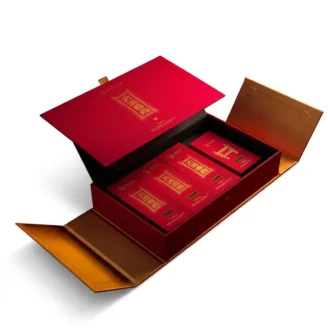
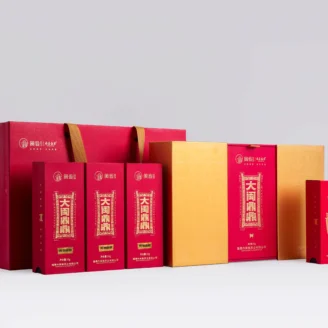
  • Da Min Ding Ding Specifications:35g/box

    Da Min Ding Ding Specifications:35g/box

    0 out of 5

    Description: A blend of four distinct varieties of wild tea, harvested from the deep forests of the Panxi Lake mountain range. Nurtured by nature, the tea broth is crystal-clear and luminous, with a smooth mouthfeel. Its robust wild character is accompanied by a subtle sweetness and the fresh fragrance of wildflowers—transparent and vibrant, as if it could sketch the contours of mountains and hills, allowing you to savor the timeless, aged charm of the magnificent landscape. It’s as if you were wandering through the heavens and earth, experiencing the majestic grandeur of the magnificent landscape.


    Tasting Notes – The broth is mellow yet robust, with a blended wildflower aroma, a natural, primal essence, and a crisp, pure sweetness.

    Mellow, smooth, and viscous yet retaining a fresh, crisp character; full of tea energy, with a primal milky aroma emerging from its bold, rugged character.

    The tea broth has a jade-like luster, with rich layers of floral and nutty aromas,exuding a wild spirit.

    The aroma is untamed—thick, smooth, sweet, and mellow, with a penetrating quality.

    Caffeine – Low-caffeine

    Packaging – Boxed

    HOW TO BREW

    Steeping Instructions

    HOT BREW

    Step 1
    🍵 Tea Leaves
    Place 3–5 g of Fuding White Tea in a cup, teapot, or gaiwan.

    Step 2
    💧 Fresh Water
    Pour 300 ml of freshly boiled water over the leaves.

    Step 3
    🌡️ Water Temperature
    Use 185°F–194°F | 85°C–90°C for young and delicate Fuding White Tea.

    Step 4
    ⏱️ Steeping Time
    Steep for 2–3 minutes, then strain and serve. Adjust the time to taste.

    Step 5
    🥂 Enjoy
    Serve plain to appreciate the tea’s natural floral aroma, sweetness, and clean finish.

    ICED BREW

    Step 1
    🧊 Cold Brew
    Place 5–6 g of tea leaves in 300 ml of cold, filtered water.

    Step 2
    ❄️ Refrigerate
    Cover and refrigerate for 1–2 hours. Strain, serve chilled, and add ice if desired.

    A SIMPLE GUIDE FOR DIFFERENT FUDING WHITE TEAS

    Bai Hao Yin Zhen · Silver Needle
    85–90°C | 2–3 min
    Gentler brewing helps highlight its delicate floral and sweet character.

    Bai Mu Dan · White Peony
    85–90°C | 2–3 min
    Slightly fuller-bodied, with floral and fresh herbal notes.

    Gong Mei & Shou Mei
    90–95°C | 2–4 min
    The more mature leaves can generally handle hotter water and longer steeping.

    Aged White Tea
    95–100°C | 30–60 sec for Gongfu-style brewing
    Hotter water can help extract the deeper, mellow character of aged tea.

    Tip: Brewing is flexible. If the tea tastes too light, use slightly more leaves or extend the steeping time. If it tastes too strong or astringent, reduce the temperature or shorten the infusion.

    LEARN MORE

    Frequently Asked Questions

    What is Fuding White Tea?

    Fuding White Tea is a traditional Chinese white tea from Fuding, Fujian Province, one of China’s best-known white tea producing areas.

    Unlike green tea, white tea is primarily processed through withering and drying, with a relatively gentle approach that allows the character of the fresh leaf to develop naturally.

    Classic Fuding white teas include Bai Hao Yin Zhen (Silver Needle), Bai Mu Dan (White Peony), Gong Mei, and Shou Mei. These styles differ in their leaf and bud material, appearance, aroma, flavor and mouthfeel.

    What does Fuding White Tea taste like?

    There is no single flavor profile for Fuding White Tea.

    Silver Needle is typically delicate and aromatic, with a light, clean character. White Peony generally offers a fuller cup with floral and fresh notes, while Gong Mei and Shou Mei can produce a deeper and more substantial infusion.

    The final taste also depends on the harvest, leaf material, processing, storage and brewing method.

    Scientific research on Fuding White Tea has found that different tea types contain different levels of taste-related compounds, including catechins, caffeine, theanine and free amino acids. Brewing temperature and steeping time can also significantly change the resulting flavor and composition.

    In other words, the best way to understand Fuding White Tea is not to expect one fixed flavor, but to explore how different styles express the character of the leaf.

    Is Fuding White Tea the same as green tea?

    No.

    Both Fuding White Tea and green tea are made from Camellia sinensis, but they are processed differently.

    Green tea is generally heated early in processing to inhibit enzymatic oxidation. White tea, by contrast, relies mainly on withering and drying.

    This difference in processing gives the two teas noticeably different sensory characteristics.

    If green tea is your usual choice, Fuding White Tea can be an interesting comparison: instead of the more vegetal or brisk character often associated with green tea, many Fuding white teas offer a softer, more delicate and less assertive cup.

    Does Fuding White Tea contain caffeine?

    Yes.

    Like other teas made from Camellia sinensis, Fuding White Tea naturally contains caffeine.

    The amount in your cup is not fixed. It can vary depending on the tea material, tea-to-water ratio, water temperature and steeping time.

    Research specifically examining Fuding White Tea found that caffeine extraction increased with longer infusion times and higher brewing temperatures. The same study also found that brewing conditions affected other compounds associated with taste, including catechins, theanine and free amino acids.

    If you are sensitive to caffeine, start with a smaller serving and a shorter infusion, and adjust according to your preference.

    How should I choose my first Fuding White Tea?

    The easiest way is to choose according to the style of tea you enjoy.

    Prefer something delicate and elegant?
    Start with Silver Needle (Bai Hao Yin Zhen). It is made primarily from young buds and is known for its delicate appearance and gentle character.

    Want a balanced introduction to white tea?
    Try White Peony (Bai Mu Dan). Its combination of buds and young leaves generally produces a fuller cup than Silver Needle.

    Prefer a deeper and more substantial tea?
    Explore Gong Mei or Shou Mei. Their leaf material generally produces a richer infusion and a more pronounced mouthfeel.

    There is no single “best” Fuding White Tea. Different styles offer different experiences, so your preferred starting point ultimately comes down to taste.

    Can Fuding White Tea be aged?

    Yes. White tea can be stored and aged over time, and aged white tea is an established part of Chinese tea culture.

    However, older does not automatically mean better.

    The character of an aged white tea depends on its original quality, processing, storage conditions and age. Over time, properly stored tea may develop a different aroma, color and flavor profile from a younger tea.

    For storage, protect white tea from excessive moisture, heat, light and strong odors. Keep it in a clean, dry and odor-free environment, and follow the storage recommendations provided with your tea.

    China’s current agricultural industry standard NY/T 4859-2025 — Technical Specification for White Tea Storage came into effect on May 1, 2026, providing technical guidance for white tea storage.

    A note for first-time drinkers

    There is no need to make Fuding White Tea complicated.

    Start with a simple infusion, taste the first cup, and adjust the amount of tea, water temperature and steeping time to suit your palate.

    As you become familiar with the tea, try different Fuding styles and brewing methods. You may be surprised by how differently the same tea can express itself under different conditions.
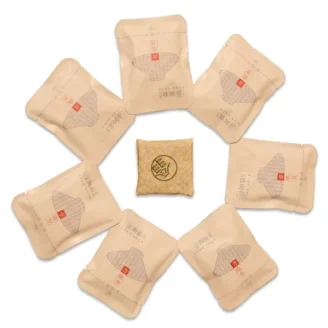
     

  • Fang Xiao Bai Specifications:75 g*2 boxes

    Fang Xiao Bai Specifications:75 g*2 boxes

    0 out of 5

    Description: Lightweight and compact, it’s easy to use; the loose, compressed tea cake is simple to brew; it comes with cotton paper to better preserve the tea’s integrity and protect it from outside air and external odors. With straight, even edges, a square shape, distinct veins, and just the right balance of density, it offers a crisp, sweet, and refreshing flavor. A single Fang Xiaobai tea cake solves the challenges of storing, carrying, and enjoying traditional white tea, meeting diverse needs in various settings.


    Tasting Notes -Sweet on the palate, with a lingering aftertaste

    Caffeine – Low-caffeine

    Packaging – Boxed


    HOW TO BREW

    Steeping Instructions

    HOT BREW

    Step 1
    🍵 Tea Leaves
    Place 3–5 g of Fuding White Tea in a cup, teapot, or gaiwan.

    Step 2
    💧 Fresh Water
    Pour 300 ml of freshly boiled water over the leaves.

    Step 3
    🌡️ Water Temperature
    Use 185°F–194°F | 85°C–90°C for young and delicate Fuding White Tea.

    Step 4
    ⏱️ Steeping Time
    Steep for 2–3 minutes, then strain and serve. Adjust the time to taste.

    Step 5
    🥂 Enjoy
    Serve plain to appreciate the tea’s natural floral aroma, sweetness, and clean finish.

    ICED BREW

    Step 1
    🧊 Cold Brew
    Place 5–6 g of tea leaves in 300 ml of cold, filtered water.

    Step 2
    ❄️ Refrigerate
    Cover and refrigerate for 1–2 hours. Strain, serve chilled, and add ice if desired.

    A SIMPLE GUIDE FOR DIFFERENT FUDING WHITE TEAS

    Bai Hao Yin Zhen · Silver Needle
    85–90°C | 2–3 min
    Gentler brewing helps highlight its delicate floral and sweet character.

    Bai Mu Dan · White Peony
    85–90°C | 2–3 min
    Slightly fuller-bodied, with floral and fresh herbal notes.

    Gong Mei & Shou Mei
    90–95°C | 2–4 min
    The more mature leaves can generally handle hotter water and longer steeping.

    Aged White Tea
    95–100°C | 30–60 sec for Gongfu-style brewing
    Hotter water can help extract the deeper, mellow character of aged tea.

    Tip: Brewing is flexible. If the tea tastes too light, use slightly more leaves or extend the steeping time. If it tastes too strong or astringent, reduce the temperature or shorten the infusion.

    LEARN MORE

    Frequently Asked Questions

    What is Fuding White Tea?

    Fuding White Tea is a traditional Chinese white tea from Fuding, Fujian Province, one of China’s best-known white tea producing areas.

    Unlike green tea, white tea is primarily processed through withering and drying, with a relatively gentle approach that allows the character of the fresh leaf to develop naturally.

    Classic Fuding white teas include Bai Hao Yin Zhen (Silver Needle), Bai Mu Dan (White Peony), Gong Mei, and Shou Mei. These styles differ in their leaf and bud material, appearance, aroma, flavor and mouthfeel.

    What does Fuding White Tea taste like?

    There is no single flavor profile for Fuding White Tea.

    Silver Needle is typically delicate and aromatic, with a light, clean character. White Peony generally offers a fuller cup with floral and fresh notes, while Gong Mei and Shou Mei can produce a deeper and more substantial infusion.

    The final taste also depends on the harvest, leaf material, processing, storage and brewing method.

    Scientific research on Fuding White Tea has found that different tea types contain different levels of taste-related compounds, including catechins, caffeine, theanine and free amino acids. Brewing temperature and steeping time can also significantly change the resulting flavor and composition.

    In other words, the best way to understand Fuding White Tea is not to expect one fixed flavor, but to explore how different styles express the character of the leaf.

    Is Fuding White Tea the same as green tea?

    No.

    Both Fuding White Tea and green tea are made from Camellia sinensis, but they are processed differently.

    Green tea is generally heated early in processing to inhibit enzymatic oxidation. White tea, by contrast, relies mainly on withering and drying.

    This difference in processing gives the two teas noticeably different sensory characteristics.

    If green tea is your usual choice, Fuding White Tea can be an interesting comparison: instead of the more vegetal or brisk character often associated with green tea, many Fuding white teas offer a softer, more delicate and less assertive cup.

    Does Fuding White Tea contain caffeine?

    Yes.

    Like other teas made from Camellia sinensis, Fuding White Tea naturally contains caffeine.

    The amount in your cup is not fixed. It can vary depending on the tea material, tea-to-water ratio, water temperature and steeping time.

    Research specifically examining Fuding White Tea found that caffeine extraction increased with longer infusion times and higher brewing temperatures. The same study also found that brewing conditions affected other compounds associated with taste, including catechins, theanine and free amino acids.

    If you are sensitive to caffeine, start with a smaller serving and a shorter infusion, and adjust according to your preference.

    How should I choose my first Fuding White Tea?

    The easiest way is to choose according to the style of tea you enjoy.

    Prefer something delicate and elegant?
    Start with Silver Needle (Bai Hao Yin Zhen). It is made primarily from young buds and is known for its delicate appearance and gentle character.

    Want a balanced introduction to white tea?
    Try White Peony (Bai Mu Dan). Its combination of buds and young leaves generally produces a fuller cup than Silver Needle.

    Prefer a deeper and more substantial tea?
    Explore Gong Mei or Shou Mei. Their leaf material generally produces a richer infusion and a more pronounced mouthfeel.

    There is no single “best” Fuding White Tea. Different styles offer different experiences, so your preferred starting point ultimately comes down to taste.

    Can Fuding White Tea be aged?

    Yes. White tea can be stored and aged over time, and aged white tea is an established part of Chinese tea culture.

    However, older does not automatically mean better.

    The character of an aged white tea depends on its original quality, processing, storage conditions and age. Over time, properly stored tea may develop a different aroma, color and flavor profile from a younger tea.

    For storage, protect white tea from excessive moisture, heat, light and strong odors. Keep it in a clean, dry and odor-free environment, and follow the storage recommendations provided with your tea.

    China’s current agricultural industry standard NY/T 4859-2025 — Technical Specification for White Tea Storage came into effect on May 1, 2026, providing technical guidance for white tea storage.

    A note for first-time drinkers

    There is no need to make Fuding White Tea complicated.

    Start with a simple infusion, taste the first cup, and adjust the amount of tea, water temperature and steeping time to suit your palate.

    As you become familiar with the tea, try different Fuding styles and brewing methods. You may be surprised by how differently the same tea can express itself under different conditions.
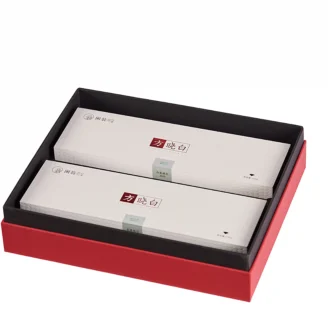
  • Gongmei Price:$9.85/100g

    Gongmei Price:$9.85/100g

    0 out of 5

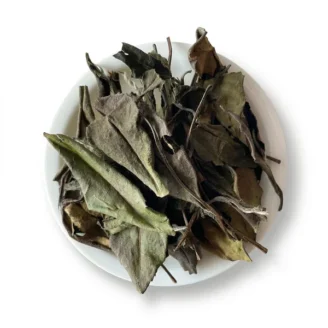
    Description: The buds and leaves are attached to the branches; the leaves are small and delicate (a characteristic of the small-leaf variety of Cai Cha), and the bud tips are visible; the leaves are tightly curled, with a gray-green to dark green color; overall, they are smaller than the raw material used for Shoumei, a type of Da Bai tea.


    Tasting Notes –

    Caffeine – Low-caffeine

    Packaging – Bag


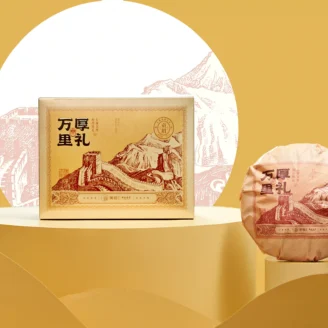
  • Hou Li Specifications:300g/box

    Hou Li Specifications:300g/box

    0 out of 5

    Description: Sourced from Panxi in the heart of Fuding’s core production area and cultivated in high-altitude ecological tea gardens, every tea leaf is imbued with the essence of the mountains and forests.

    Meticulously crafted using traditional methods and naturally aged in a dry warehouse, this tea features a bright, orange-yellow infusion with a rich honey aroma and a lingering sweet aftertaste. The thick, uniform tea leaves at the bottom of the cup fully showcase the exceptional quality of Grade 1 Shoumei. Enjoy it yourself to soothe the stomach and calm the mind, or collect it for its potential for appreciation in value. It makes a distinguished and thoughtful gift, conveying deep affection.


    Tasting Notes -The tea has a bright, orange-yellow color, a rich honey aroma, a lingering sweet aftertaste, and thick, uniform tea leaves.

    Caffeine – Low-caffeine

    Packaging – Boxed

    HOW TO BREW

    Steeping Instructions

    HOT BREW

    Step 1
    🍵 Tea Leaves
    Place 3–5 g of Fuding White Tea in a cup, teapot, or gaiwan.

    Step 2
    💧 Fresh Water
    Pour 300 ml of freshly boiled water over the leaves.

    Step 3
    🌡️ Water Temperature
    Use 185°F–194°F | 85°C–90°C for young and delicate Fuding White Tea.

    Step 4
    ⏱️ Steeping Time
    Steep for 2–3 minutes, then strain and serve. Adjust the time to taste.

    Step 5
    🥂 Enjoy
    Serve plain to appreciate the tea’s natural floral aroma, sweetness, and clean finish.

    ICED BREW

    Step 1
    🧊 Cold Brew
    Place 5–6 g of tea leaves in 300 ml of cold, filtered water.

    Step 2
    ❄️ Refrigerate
    Cover and refrigerate for 1–2 hours. Strain, serve chilled, and add ice if desired.

    A SIMPLE GUIDE FOR DIFFERENT FUDING WHITE TEAS

    Bai Hao Yin Zhen · Silver Needle
    85–90°C | 2–3 min
    Gentler brewing helps highlight its delicate floral and sweet character.

    Bai Mu Dan · White Peony
    85–90°C | 2–3 min
    Slightly fuller-bodied, with floral and fresh herbal notes.

    Gong Mei & Shou Mei
    90–95°C | 2–4 min
    The more mature leaves can generally handle hotter water and longer steeping.

    Aged White Tea
    95–100°C | 30–60 sec for Gongfu-style brewing
    Hotter water can help extract the deeper, mellow character of aged tea.

    Tip: Brewing is flexible. If the tea tastes too light, use slightly more leaves or extend the steeping time. If it tastes too strong or astringent, reduce the temperature or shorten the infusion

    LEARN MORE

    Frequently Asked Questions

    What is Fuding White Tea?

    Fuding White Tea is a traditional Chinese white tea from Fuding, Fujian Province, one of China’s best-known white tea producing areas.

    Unlike green tea, white tea is primarily processed through withering and drying, with a relatively gentle approach that allows the character of the fresh leaf to develop naturally.

    Classic Fuding white teas include Bai Hao Yin Zhen (Silver Needle), Bai Mu Dan (White Peony), Gong Mei, and Shou Mei. These styles differ in their leaf and bud material, appearance, aroma, flavor and mouthfeel.

    What does Fuding White Tea taste like?

    There is no single flavor profile for Fuding White Tea.

    Silver Needle is typically delicate and aromatic, with a light, clean character. White Peony generally offers a fuller cup with floral and fresh notes, while Gong Mei and Shou Mei can produce a deeper and more substantial infusion.

    The final taste also depends on the harvest, leaf material, processing, storage and brewing method.

    Scientific research on Fuding White Tea has found that different tea types contain different levels of taste-related compounds, including catechins, caffeine, theanine and free amino acids. Brewing temperature and steeping time can also significantly change the resulting flavor and composition.

    In other words, the best way to understand Fuding White Tea is not to expect one fixed flavor, but to explore how different styles express the character of the leaf.

    Is Fuding White Tea the same as green tea?

    No.

    Both Fuding White Tea and green tea are made from Camellia sinensis, but they are processed differently.

    Green tea is generally heated early in processing to inhibit enzymatic oxidation. White tea, by contrast, relies mainly on withering and drying.

    This difference in processing gives the two teas noticeably different sensory characteristics.

    If green tea is your usual choice, Fuding White Tea can be an interesting comparison: instead of the more vegetal or brisk character often associated with green tea, many Fuding white teas offer a softer, more delicate and less assertive cup.

    Does Fuding White Tea contain caffeine?

    Yes.

    Like other teas made from Camellia sinensis, Fuding White Tea naturally contains caffeine.

    The amount in your cup is not fixed. It can vary depending on the tea material, tea-to-water ratio, water temperature and steeping time.

    Research specifically examining Fuding White Tea found that caffeine extraction increased with longer infusion times and higher brewing temperatures. The same study also found that brewing conditions affected other compounds associated with taste, including catechins, theanine and free amino acids.

    If you are sensitive to caffeine, start with a smaller serving and a shorter infusion, and adjust according to your preference.

    How should I choose my first Fuding White Tea?

    The easiest way is to choose according to the style of tea you enjoy.

    Prefer something delicate and elegant?
    Start with Silver Needle (Bai Hao Yin Zhen). It is made primarily from young buds and is known for its delicate appearance and gentle character.

    Want a balanced introduction to white tea?
    Try White Peony (Bai Mu Dan). Its combination of buds and young leaves generally produces a fuller cup than Silver Needle.

    Prefer a deeper and more substantial tea?
    Explore Gong Mei or Shou Mei. Their leaf material generally produces a richer infusion and a more pronounced mouthfeel.

    There is no single “best” Fuding White Tea. Different styles offer different experiences, so your preferred starting point ultimately comes down to taste.

    Can Fuding White Tea be aged?

    Yes. White tea can be stored and aged over time, and aged white tea is an established part of Chinese tea culture.

    However, older does not automatically mean better.

    The character of an aged white tea depends on its original quality, processing, storage conditions and age. Over time, properly stored tea may develop a different aroma, color and flavor profile from a younger tea.

    For storage, protect white tea from excessive moisture, heat, light and strong odors. Keep it in a clean, dry and odor-free environment, and follow the storage recommendations provided with your tea.

    China’s current agricultural industry standard NY/T 4859-2025 — Technical Specification for White Tea Storage came into effect on May 1, 2026, providing technical guidance for white tea storage.

    A note for first-time drinkers

    There is no need to make Fuding White Tea complicated.

    Start with a simple infusion, taste the first cup, and adjust the amount of tea, water temperature and steeping time to suit your palate.

    As you become familiar with the tea, try different Fuding styles and brewing methods. You may be surprised by how differently the same tea can express itself under different conditions.
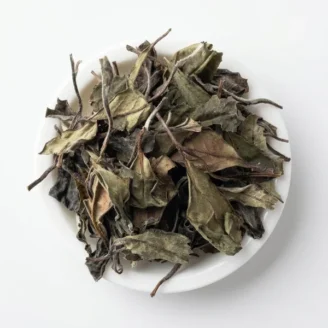
    .

  • Shou Mei Price:$4.09/100g

    Shou Mei Price:$4.09/100g

    0 out of 5

    Description: The leaves are broad and full, with few buds and many leaves, and often feature distinct tea stems; the color is rich, with a blend of gray-green, yellow-green, and reddish-brown hues (autumn Shoumei exhibits an even richer color palette); the dry leaves are full and spread out.


    Tasting Notes –

    Caffeine – Low-caffeine

    Packaging – Bag

  • Silver Needel White Tea Price:$38.80/100g

    Silver Needel White Tea Price:$38.80/100g

    0 out of 5

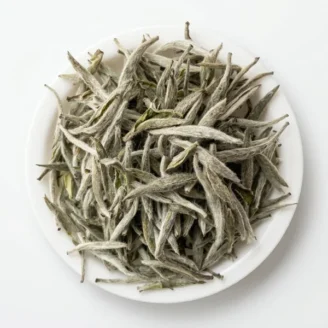
    Description: The buds are straight as needles and covered with dense white downy hairs; the premium-grade buds are plump, uniform, and silvery-white with a lustrous sheen; the first-grade buds are somewhat elongated, with slightly thinner downy hairs, and contain no leaves.


    Tasting Notes -Aroma: Pure and fresh, with a distinct downy fragrance

    Liquor Color: Light apricot yellow to apricot yellow, clear and translucent

    Flavor: Fresh, mellow, and crisp, with a rich downy flavor

    Leaf Base: Plump, soft buds that are tender and lustrous

    Caffeine – Low-caffeine

    Packaging – Bag

    HOW TO BREW

    Steeping Instructions

    HOT BREW

    Step 1
    🍵 Tea Leaves
    Place 3–5 g of Fuding White Tea in a cup, teapot, or gaiwan.

    Step 2
    💧 Fresh Water
    Pour 300 ml of freshly boiled water over the leaves.

    Step 3
    🌡️ Water Temperature
    Use 185°F–194°F | 85°C–90°C for young and delicate Fuding White Tea.

    Step 4
    ⏱️ Steeping Time
    Steep for 2–3 minutes, then strain and serve. Adjust the time to taste.

    Step 5
    🥂 Enjoy
    Serve plain to appreciate the tea’s natural floral aroma, sweetness, and clean finish.

    ICED BREW

    Step 1
    🧊 Cold Brew
    Place 5–6 g of tea leaves in 300 ml of cold, filtered water.

    Step 2
    ❄️ Refrigerate
    Cover and refrigerate for 1–2 hours. Strain, serve chilled, and add ice if desired.

    A SIMPLE GUIDE FOR DIFFERENT FUDING WHITE TEAS

    Bai Hao Yin Zhen · Silver Needle
    85–90°C | 2–3 min
    Gentler brewing helps highlight its delicate floral and sweet character.

    Bai Mu Dan · White Peony
    85–90°C | 2–3 min
    Slightly fuller-bodied, with floral and fresh herbal notes.

    Gong Mei & Shou Mei
    90–95°C | 2–4 min
    The more mature leaves can generally handle hotter water and longer steeping.

    Aged White Tea
    95–100°C | 30–60 sec for Gongfu-style brewing
    Hotter water can help extract the deeper, mellow character of aged tea.

    Tip: Brewing is flexible. If the tea tastes too light, use slightly more leaves or extend the steeping time. If it tastes too strong or astringent, reduce the temperature or shorten the infusion.

    LEARN MORE

    Frequently Asked Questions

    What is Fuding White Tea?

    Fuding White Tea is a traditional Chinese white tea from Fuding, Fujian Province, one of China’s best-known white tea producing areas.

    Unlike green tea, white tea is primarily processed through withering and drying, with a relatively gentle approach that allows the character of the fresh leaf to develop naturally.

    Classic Fuding white teas include Bai Hao Yin Zhen (Silver Needle), Bai Mu Dan (White Peony), Gong Mei, and Shou Mei. These styles differ in their leaf and bud material, appearance, aroma, flavor and mouthfeel.

    What does Fuding White Tea taste like?

    There is no single flavor profile for Fuding White Tea.

    Silver Needle is typically delicate and aromatic, with a light, clean character. White Peony generally offers a fuller cup with floral and fresh notes, while Gong Mei and Shou Mei can produce a deeper and more substantial infusion.

    The final taste also depends on the harvest, leaf material, processing, storage and brewing method.

    Scientific research on Fuding White Tea has found that different tea types contain different levels of taste-related compounds, including catechins, caffeine, theanine and free amino acids. Brewing temperature and steeping time can also significantly change the resulting flavor and composition.

    In other words, the best way to understand Fuding White Tea is not to expect one fixed flavor, but to explore how different styles express the character of the leaf.

    Is Fuding White Tea the same as green tea?

    No.

    Both Fuding White Tea and green tea are made from Camellia sinensis, but they are processed differently.

    Green tea is generally heated early in processing to inhibit enzymatic oxidation. White tea, by contrast, relies mainly on withering and drying.

    This difference in processing gives the two teas noticeably different sensory characteristics.

    If green tea is your usual choice, Fuding White Tea can be an interesting comparison: instead of the more vegetal or brisk character often associated with green tea, many Fuding white teas offer a softer, more delicate and less assertive cup.

    Does Fuding White Tea contain caffeine?

    Yes.

    Like other teas made from Camellia sinensis, Fuding White Tea naturally contains caffeine.

    The amount in your cup is not fixed. It can vary depending on the tea material, tea-to-water ratio, water temperature and steeping time.

    Research specifically examining Fuding White Tea found that caffeine extraction increased with longer infusion times and higher brewing temperatures. The same study also found that brewing conditions affected other compounds associated with taste, including catechins, theanine and free amino acids.

    If you are sensitive to caffeine, start with a smaller serving and a shorter infusion, and adjust according to your preference.

    How should I choose my first Fuding White Tea?

    The easiest way is to choose according to the style of tea you enjoy.

    Prefer something delicate and elegant?
    Start with Silver Needle (Bai Hao Yin Zhen). It is made primarily from young buds and is known for its delicate appearance and gentle character.

    Want a balanced introduction to white tea?
    Try White Peony (Bai Mu Dan). Its combination of buds and young leaves generally produces a fuller cup than Silver Needle.

    Prefer a deeper and more substantial tea?
    Explore Gong Mei or Shou Mei. Their leaf material generally produces a richer infusion and a more pronounced mouthfeel.

    There is no single “best” Fuding White Tea. Different styles offer different experiences, so your preferred starting point ultimately comes down to taste.

    Can Fuding White Tea be aged?

    Yes. White tea can be stored and aged over time, and aged white tea is an established part of Chinese tea culture.

    However, older does not automatically mean better.

    The character of an aged white tea depends on its original quality, processing, storage conditions and age. Over time, properly stored tea may develop a different aroma, color and flavor profile from a younger tea.

    For storage, protect white tea from excessive moisture, heat, light and strong odors. Keep it in a clean, dry and odor-free environment, and follow the storage recommendations provided with your tea.

    China’s current agricultural industry standard NY/T 4859-2025 — Technical Specification for White Tea Storage came into effect on May 1, 2026, providing technical guidance for white tea storage.

    A note for first-time drinkers

    There is no need to make Fuding White Tea complicated.

    Start with a simple infusion, taste the first cup, and adjust the amount of tea, water temperature and steeping time to suit your palate.

    As you become familiar with the tea, try different Fuding styles and brewing methods. You may be surprised by how differently the same tea can express itself under different conditions.
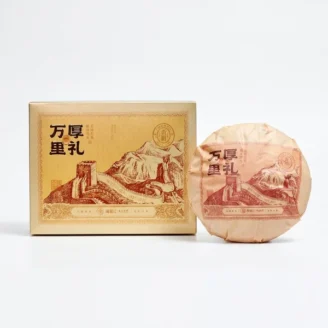
  • White Peony  Price:$14.92/100g

    White Peony Price:$14.92/100g

    0 out of 5

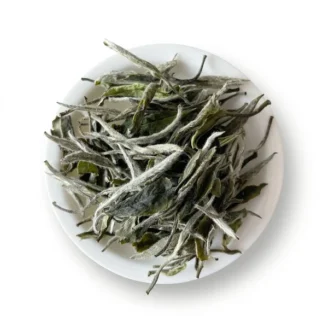
    Description: The buds and leaves are connected by branches, with green leaves cradling silvery buds; when brewed, the tea resembles a blossoming flower. It is commonly known as “Blue Sky, White Ground” (green leaves with a white base) or “Green Leaves, Red Veins.” The buds and leaves are fully connected, and there are few thick, long stems.


    Tasting Notes –

    Caffeine – Low-caffeine

    Packaging – Bag

  • Yi Lu Qing Shan Specifications:50g/box

    Yi Lu Qing Shan Specifications:50g/box

    0 out of 5

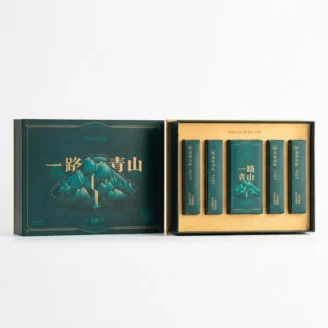
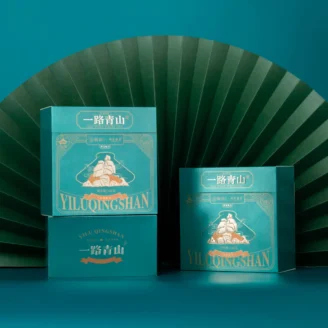
    Covered in white downy hairs, grayish-brown in color, the aroma wafts before the tea is even brewed; the scent of the downy hairs is gentle, subtle, and delicate, and the tea is rich in these hairs.

    Natural aging has further enhanced the unique, honey-like aroma bestowed by the passage of time. With a single sip, the tea broth slowly melts in the mouth like honey, offering a sweet, refreshing, and lively flavor. Aromas of grass, wood, and flowers linger in the throat, and the tea’s energy is enduring and penetrating.

    Tasting Notes -With a unique, delicate aroma and honey-like notes, the tea broth is as smooth as honey, offering a sweet, refreshing, and lively flavor. Aromas of grass, wood, and flowers linger in the throat, while the tea’s energy is enduring and penetrating.

    Caffeine – Low-caffeine

    Packaging – Boxed

  • Yu Ming Zhu Specifications:5g*20bags/can

    Yu Ming Zhu Specifications:5g*20bags/can

    0 out of 5

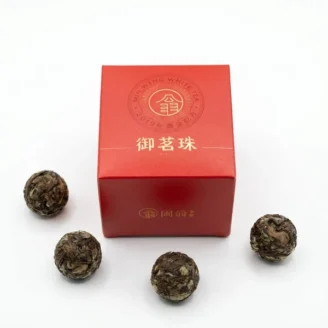
    Description: Drawing inspiration from imperial palace architecture, the vibrant red color scheme evokes the vermilion lacquer of ancient city walls. Paired with gold lettering, the generously sized, double-hinged box resembles the grand entrance to a historic residence. Upon opening the door, the inner box rises to meet you, as if a friend or relative were welcoming you home—a truly eye-catching sight. In traditional culture, nine is considered the ultimate number. The nine-compartment inner box symbolizes the rich and varied flavors of the tea within, with its aroma evoking a myriad of sensations.


    Tasting Notes -The buds and leaves are still attached to the branches, and the tea leaves are well-defined. The fresh, crisp notes of Peony tea blend perfectly with the mellow richness of Shoumei, resulting in a sweet and fragrant brew.

    Caffeine – Low-caffeine

    Packaging – caned

    HOW TO BREW

    Steeping Instructions

    HOT BREW

    Step 1
    🍵 Tea Leaves
    Place 3–5 g of Fuding White Tea in a cup, teapot, or gaiwan.

    Step 2
    💧 Fresh Water
    Pour 300 ml of freshly boiled water over the leaves.

    Step 3
    🌡️ Water Temperature
    Use 185°F–194°F | 85°C–90°C for young and delicate Fuding White Tea.

    Step 4
    ⏱️ Steeping Time
    Steep for 2–3 minutes, then strain and serve. Adjust the time to taste.

    Step 5
    🥂 Enjoy
    Serve plain to appreciate the tea’s natural floral aroma, sweetness, and clean finish.

    ICED BREW

    Step 1
    🧊 Cold Brew
    Place 5–6 g of tea leaves in 300 ml of cold, filtered water.

    Step 2
    ❄️ Refrigerate
    Cover and refrigerate for 1–2 hours. Strain, serve chilled, and add ice if desired.

    A SIMPLE GUIDE FOR DIFFERENT FUDING WHITE TEAS

    Bai Hao Yin Zhen · Silver Needle
    85–90°C | 2–3 min
    Gentler brewing helps highlight its delicate floral and sweet character.

    Bai Mu Dan · White Peony
    85–90°C | 2–3 min
    Slightly fuller-bodied, with floral and fresh herbal notes.

    Gong Mei & Shou Mei
    90–95°C | 2–4 min
    The more mature leaves can generally handle hotter water and longer steeping.

    Aged White Tea
    95–100°C | 30–60 sec for Gongfu-style brewing
    Hotter water can help extract the deeper, mellow character of aged tea.

    Tip: Brewing is flexible. If the tea tastes too light, use slightly more leaves or extend the steeping time. If it tastes too strong or astringent, reduce the temperature or shorten the infusion.

    LEARN MORE

    Frequently Asked Questions

    What is Fuding White Tea?

    Fuding White Tea is a traditional Chinese white tea from Fuding, Fujian Province, one of China’s best-known white tea producing areas.

    Unlike green tea, white tea is primarily processed through withering and drying, with a relatively gentle approach that allows the character of the fresh leaf to develop naturally.

    Classic Fuding white teas include Bai Hao Yin Zhen (Silver Needle), Bai Mu Dan (White Peony), Gong Mei, and Shou Mei. These styles differ in their leaf and bud material, appearance, aroma, flavor and mouthfeel.

    What does Fuding White Tea taste like?

    There is no single flavor profile for Fuding White Tea.

    Silver Needle is typically delicate and aromatic, with a light, clean character. White Peony generally offers a fuller cup with floral and fresh notes, while Gong Mei and Shou Mei can produce a deeper and more substantial infusion.

    The final taste also depends on the harvest, leaf material, processing, storage and brewing method.

    Scientific research on Fuding White Tea has found that different tea types contain different levels of taste-related compounds, including catechins, caffeine, theanine and free amino acids. Brewing temperature and steeping time can also significantly change the resulting flavor and composition.

    In other words, the best way to understand Fuding White Tea is not to expect one fixed flavor, but to explore how different styles express the character of the leaf.

    Is Fuding White Tea the same as green tea?

    No.

    Both Fuding White Tea and green tea are made from Camellia sinensis, but they are processed differently.

    Green tea is generally heated early in processing to inhibit enzymatic oxidation. White tea, by contrast, relies mainly on withering and drying.

    This difference in processing gives the two teas noticeably different sensory characteristics.

    If green tea is your usual choice, Fuding White Tea can be an interesting comparison: instead of the more vegetal or brisk character often associated with green tea, many Fuding white teas offer a softer, more delicate and less assertive cup.

    Does Fuding White Tea contain caffeine?

    Yes.

    Like other teas made from Camellia sinensis, Fuding White Tea naturally contains caffeine.

    The amount in your cup is not fixed. It can vary depending on the tea material, tea-to-water ratio, water temperature and steeping time.

    Research specifically examining Fuding White Tea found that caffeine extraction increased with longer infusion times and higher brewing temperatures. The same study also found that brewing conditions affected other compounds associated with taste, including catechins, theanine and free amino acids.

    If you are sensitive to caffeine, start with a smaller serving and a shorter infusion, and adjust according to your preference.

    How should I choose my first Fuding White Tea?

    The easiest way is to choose according to the style of tea you enjoy.

    Prefer something delicate and elegant?
    Start with Silver Needle (Bai Hao Yin Zhen). It is made primarily from young buds and is known for its delicate appearance and gentle character.

    Want a balanced introduction to white tea?
    Try White Peony (Bai Mu Dan). Its combination of buds and young leaves generally produces a fuller cup than Silver Needle.

    Prefer a deeper and more substantial tea?
    Explore Gong Mei or Shou Mei. Their leaf material generally produces a richer infusion and a more pronounced mouthfeel.

    There is no single “best” Fuding White Tea. Different styles offer different experiences, so your preferred starting point ultimately comes down to taste.

    Can Fuding White Tea be aged?

    Yes. White tea can be stored and aged over time, and aged white tea is an established part of Chinese tea culture.

    However, older does not automatically mean better.

    The character of an aged white tea depends on its original quality, processing, storage conditions and age. Over time, properly stored tea may develop a different aroma, color and flavor profile from a younger tea.

    For storage, protect white tea from excessive moisture, heat, light and strong odors. Keep it in a clean, dry and odor-free environment, and follow the storage recommendations provided with your tea.

    China’s current agricultural industry standard NY/T 4859-2025 — Technical Specification for White Tea Storage came into effect on May 1, 2026, providing technical guidance for white tea storage.

    A note for first-time drinkers

    There is no need to make Fuding White Tea complicated.

    Start with a simple infusion, taste the first cup, and adjust the amount of tea, water temperature and steeping time to suit your palate.

    As you become familiar with the tea, try different Fuding styles and brewing methods. You may be surprised by how differently the same tea can express itself under different conditions.