
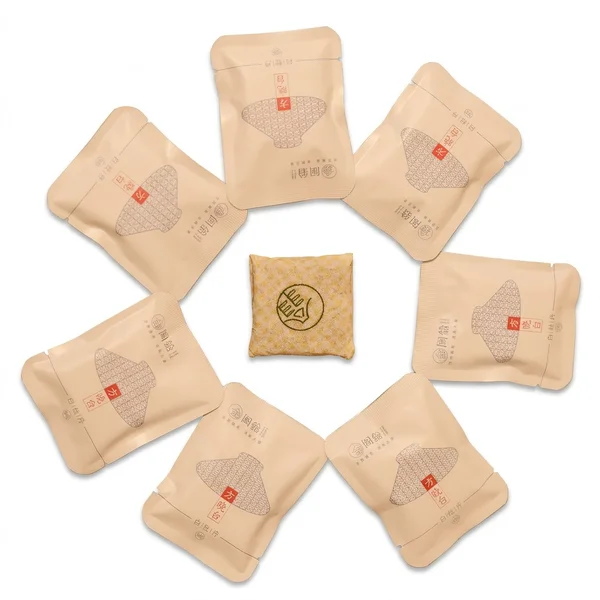
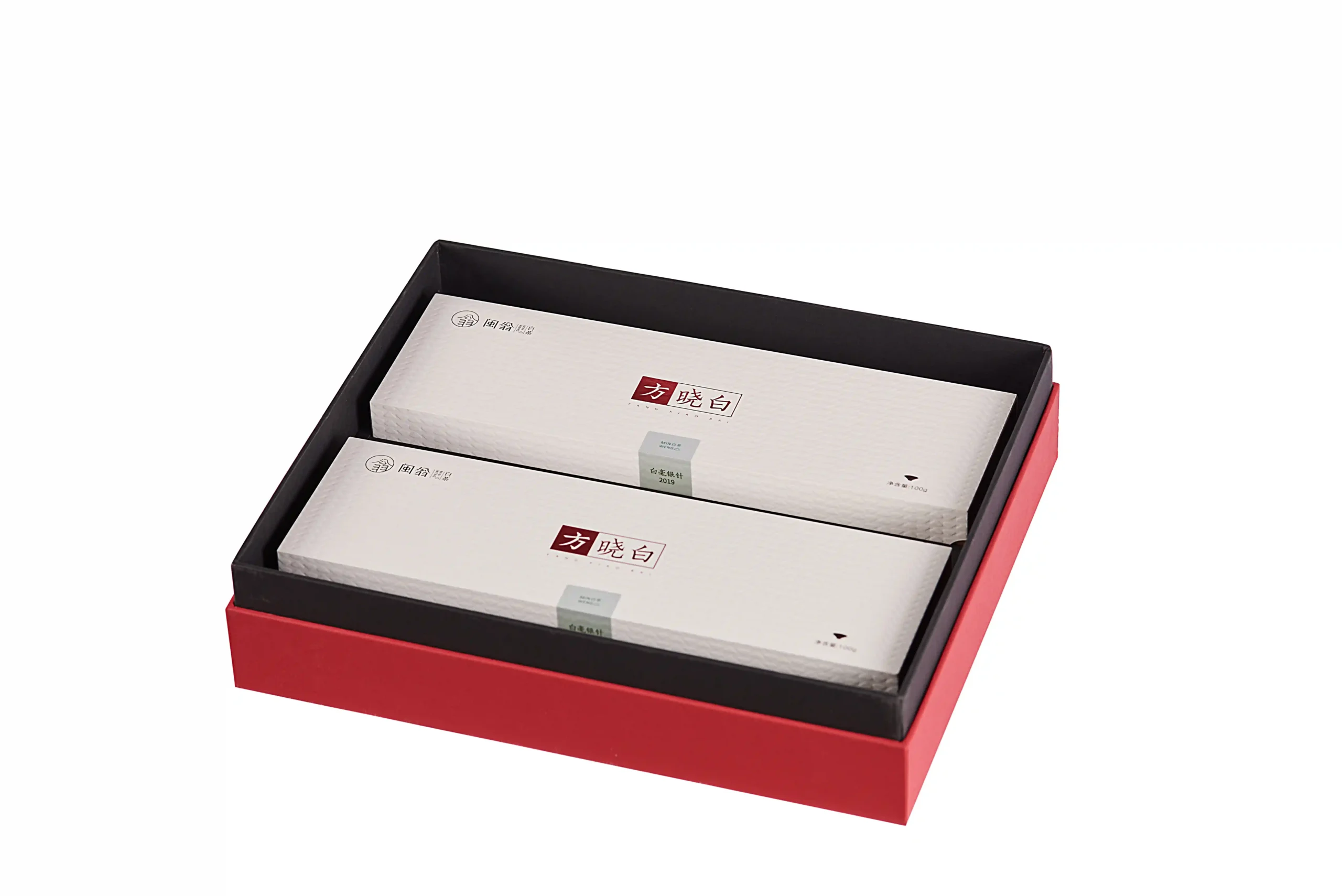
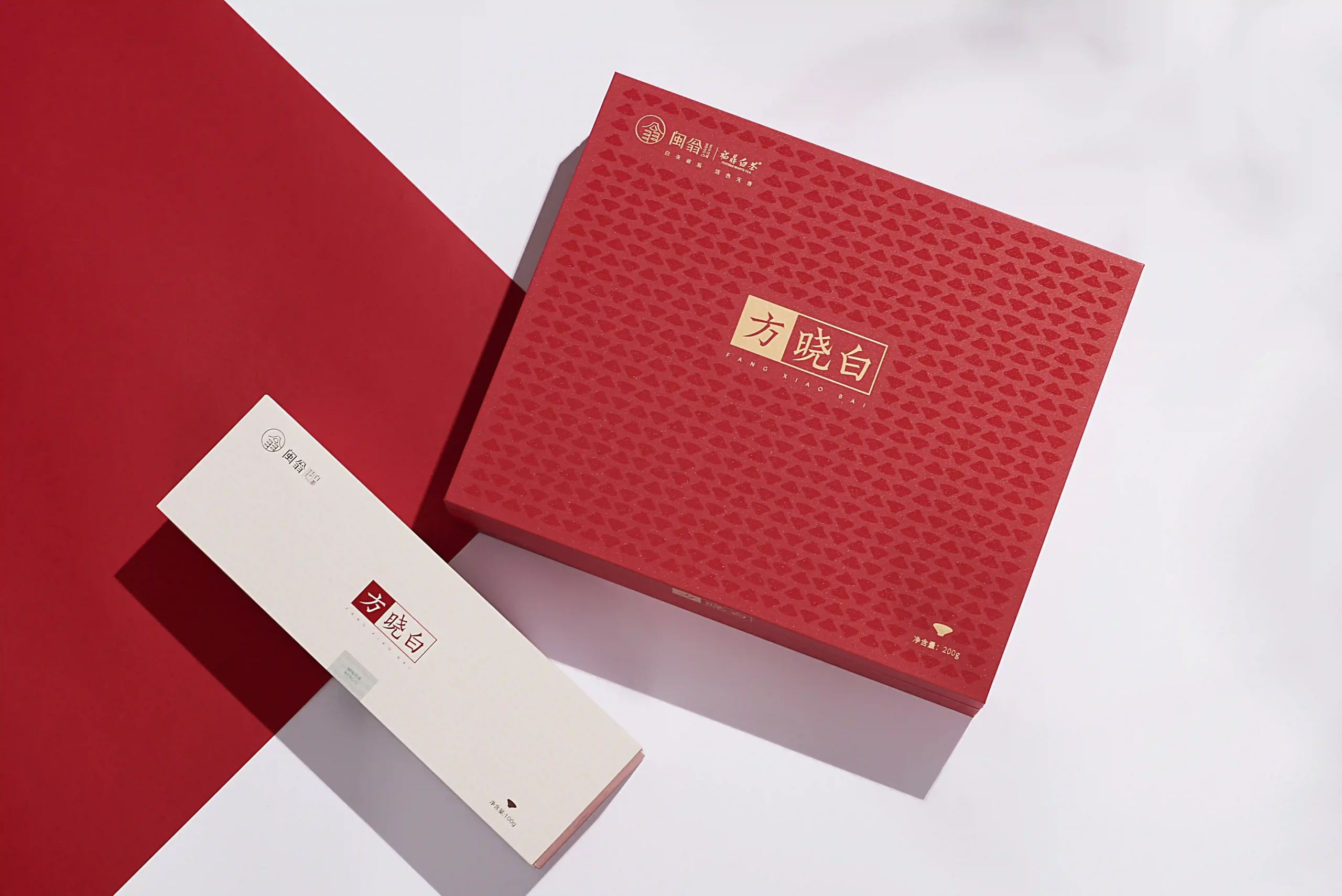
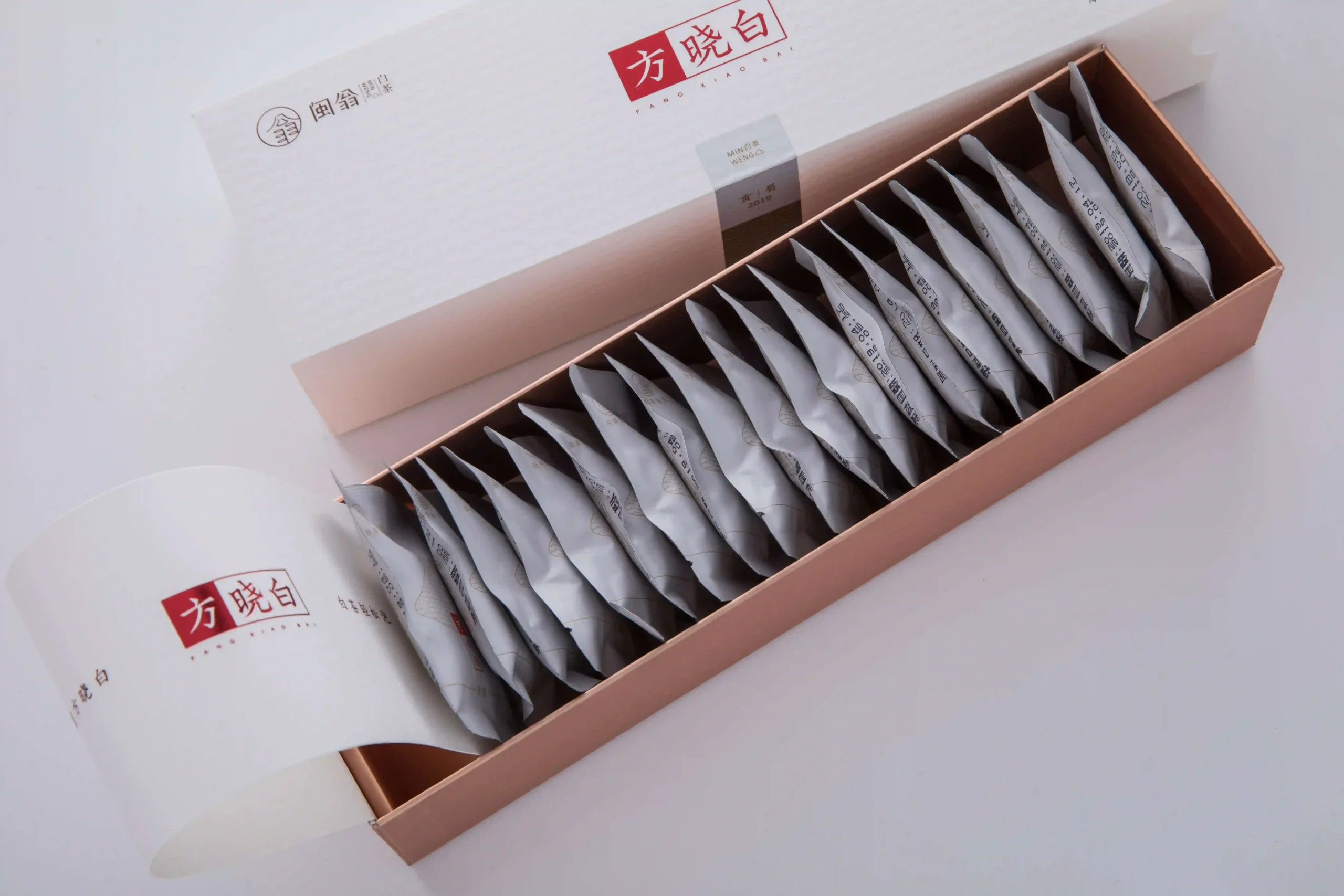
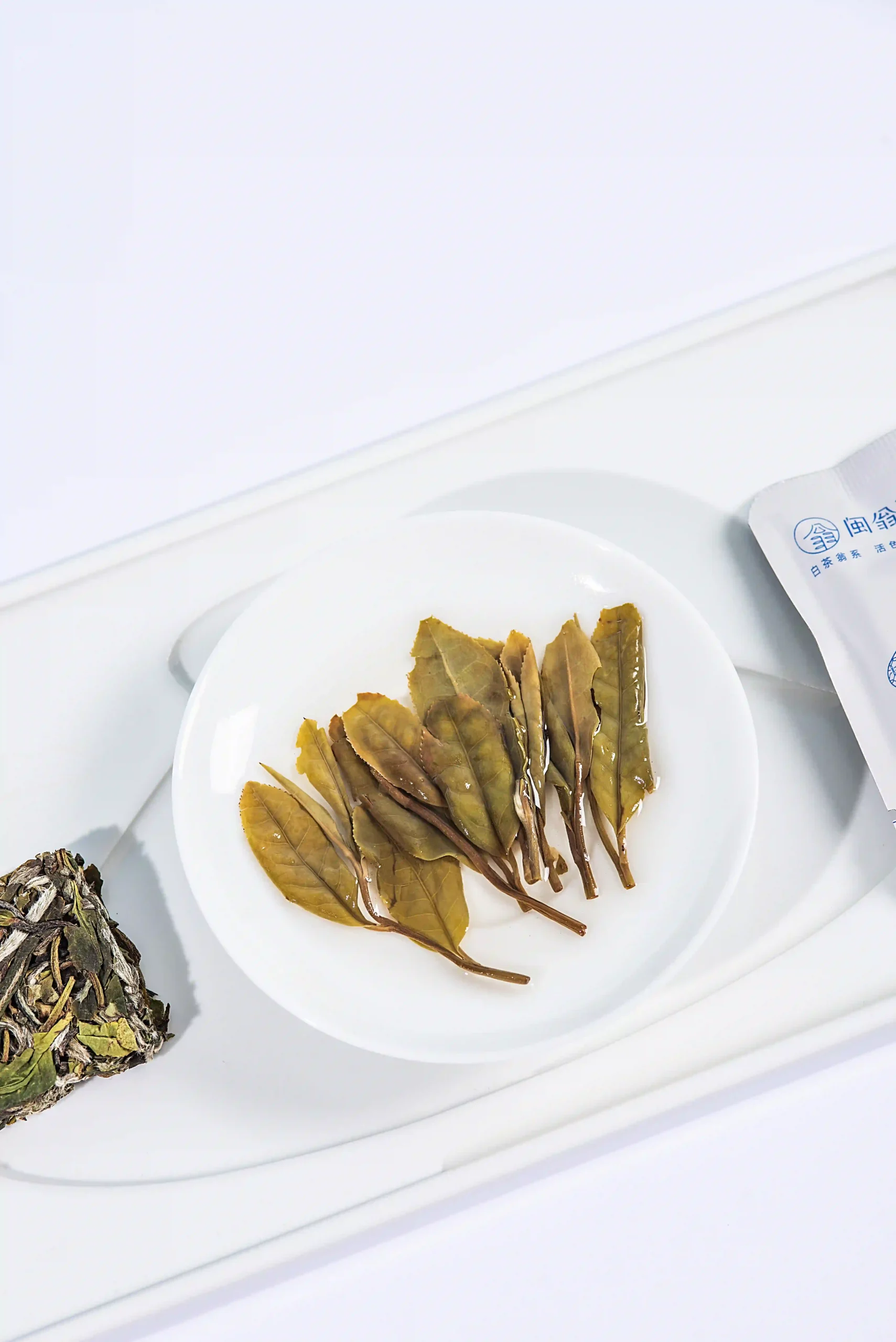
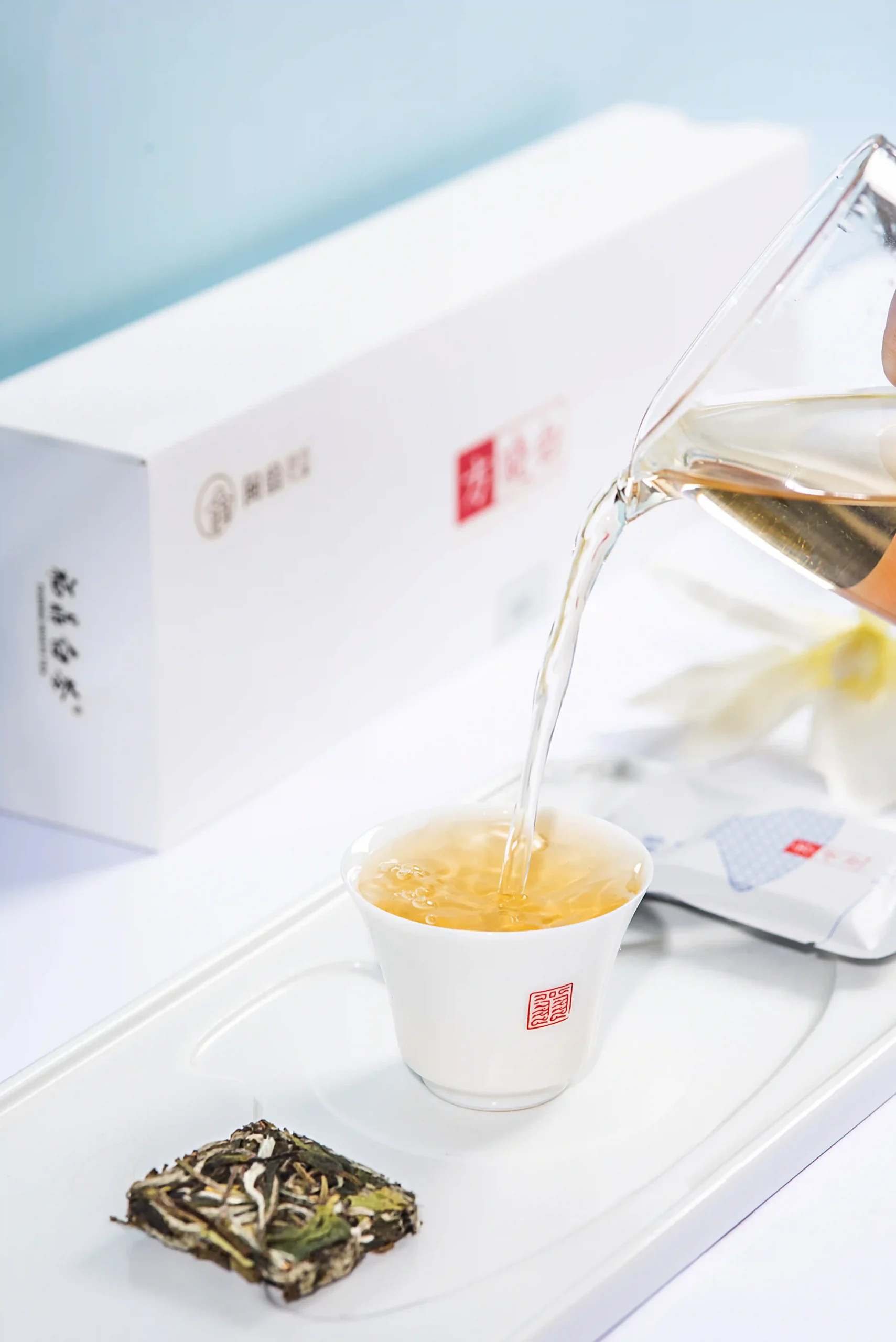
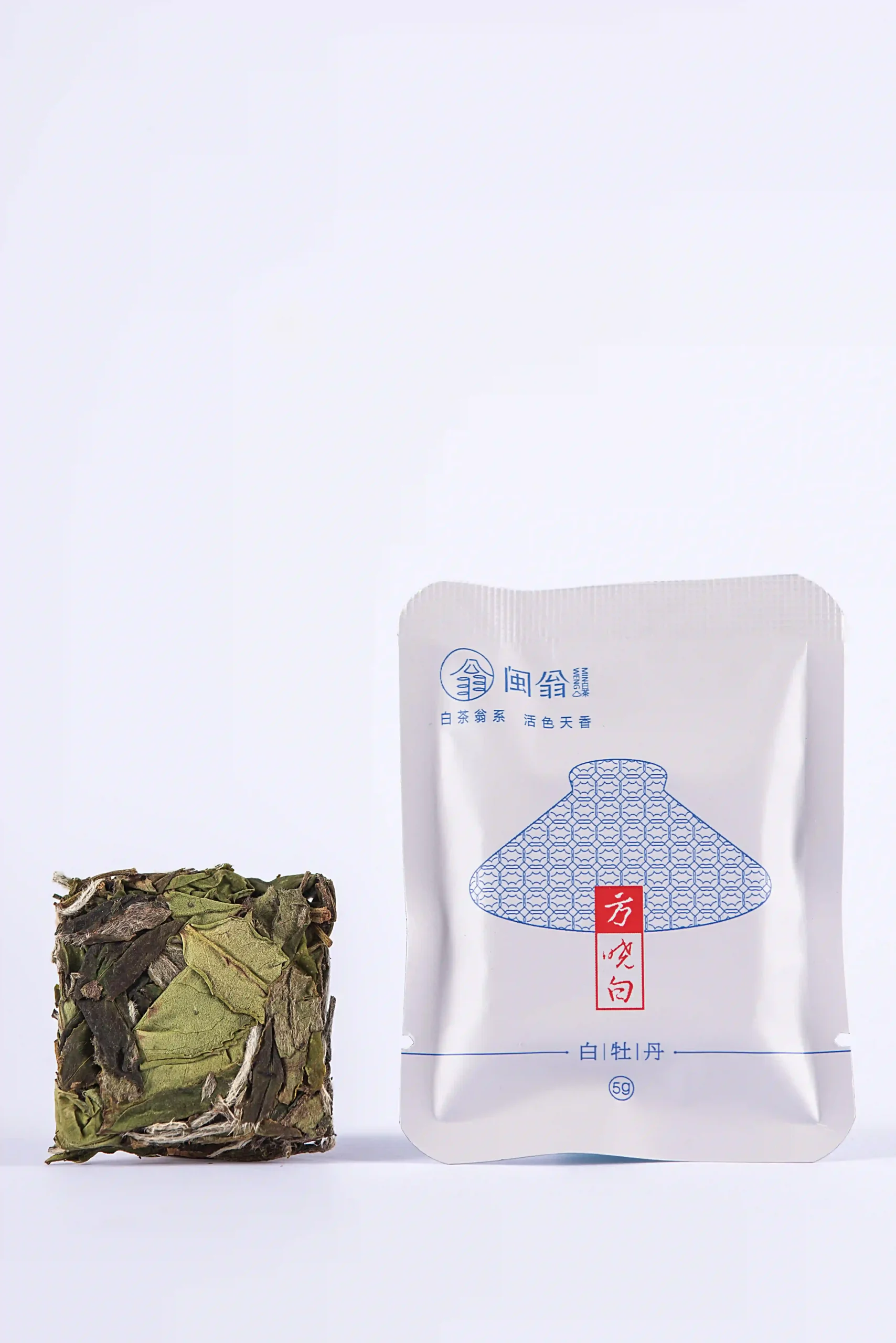
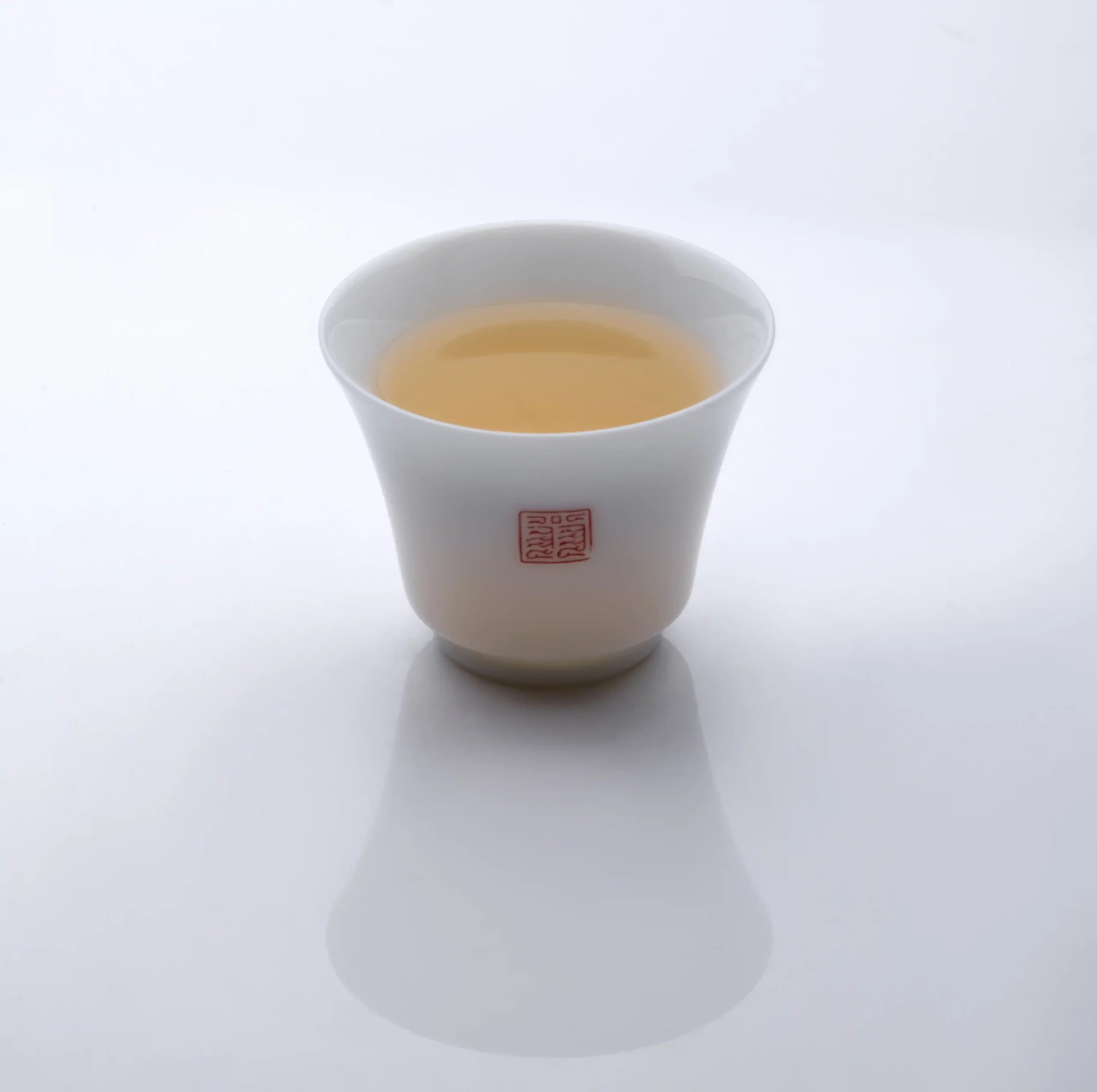
Fang Xiao Bai Specifications:75 g*2 boxes
Description: Lightweight and compact, it’s easy to use; the loose, compressed tea cake is simple to brew; it comes with cotton paper to better preserve the tea’s integrity and protect it from outside air and external odors. With straight, even edges, a square shape, distinct veins, and just the right balance of density, it offers a crisp, sweet, and refreshing flavor. A single Fang Xiaobai tea cake solves the challenges of storing, carrying, and enjoying traditional white tea, meeting diverse needs in various settings.
Tasting Notes -Sweet on the palate, with a lingering aftertaste
Caffeine – Low-caffeine
Packaging – Boxed
HOW TO BREW
Steeping Instructions
HOT BREW
Step 1
🍵 Tea Leaves
Place 3–5 g of Fuding White Tea in a cup, teapot, or gaiwan.
Step 2
💧 Fresh Water
Pour 300 ml of freshly boiled water over the leaves.
Step 3
🌡️ Water Temperature
Use 185°F–194°F | 85°C–90°C for young and delicate Fuding White Tea.
Step 4
⏱️ Steeping Time
Steep for 2–3 minutes, then strain and serve. Adjust the time to taste.
Step 5
🥂 Enjoy
Serve plain to appreciate the tea’s natural floral aroma, sweetness, and clean finish.
ICED BREW
Step 1
🧊 Cold Brew
Place 5–6 g of tea leaves in 300 ml of cold, filtered water.
Step 2
❄️ Refrigerate
Cover and refrigerate for 1–2 hours. Strain, serve chilled, and add ice if desired.
A SIMPLE GUIDE FOR DIFFERENT FUDING WHITE TEAS
Bai Hao Yin Zhen · Silver Needle
85–90°C | 2–3 min
Gentler brewing helps highlight its delicate floral and sweet character.
Bai Mu Dan · White Peony
85–90°C | 2–3 min
Slightly fuller-bodied, with floral and fresh herbal notes.
Gong Mei & Shou Mei
90–95°C | 2–4 min
The more mature leaves can generally handle hotter water and longer steeping.
Aged White Tea
95–100°C | 30–60 sec for Gongfu-style brewing
Hotter water can help extract the deeper, mellow character of aged tea.
Tip: Brewing is flexible. If the tea tastes too light, use slightly more leaves or extend the steeping time. If it tastes too strong or astringent, reduce the temperature or shorten the infusion.
LEARN MORE
Frequently Asked Questions
What is Fuding White Tea?
Fuding White Tea is a traditional Chinese white tea from Fuding, Fujian Province, one of China’s best-known white tea producing areas.
Unlike green tea, white tea is primarily processed through withering and drying, with a relatively gentle approach that allows the character of the fresh leaf to develop naturally.
Classic Fuding white teas include Bai Hao Yin Zhen (Silver Needle), Bai Mu Dan (White Peony), Gong Mei, and Shou Mei. These styles differ in their leaf and bud material, appearance, aroma, flavor and mouthfeel.
What does Fuding White Tea taste like?
There is no single flavor profile for Fuding White Tea.
Silver Needle is typically delicate and aromatic, with a light, clean character. White Peony generally offers a fuller cup with floral and fresh notes, while Gong Mei and Shou Mei can produce a deeper and more substantial infusion.
The final taste also depends on the harvest, leaf material, processing, storage and brewing method.
Scientific research on Fuding White Tea has found that different tea types contain different levels of taste-related compounds, including catechins, caffeine, theanine and free amino acids. Brewing temperature and steeping time can also significantly change the resulting flavor and composition.
In other words, the best way to understand Fuding White Tea is not to expect one fixed flavor, but to explore how different styles express the character of the leaf.
Is Fuding White Tea the same as green tea?
No.
Both Fuding White Tea and green tea are made from Camellia sinensis, but they are processed differently.
Green tea is generally heated early in processing to inhibit enzymatic oxidation. White tea, by contrast, relies mainly on withering and drying.
This difference in processing gives the two teas noticeably different sensory characteristics.
If green tea is your usual choice, Fuding White Tea can be an interesting comparison: instead of the more vegetal or brisk character often associated with green tea, many Fuding white teas offer a softer, more delicate and less assertive cup.
Does Fuding White Tea contain caffeine?
Yes.
Like other teas made from Camellia sinensis, Fuding White Tea naturally contains caffeine.
The amount in your cup is not fixed. It can vary depending on the tea material, tea-to-water ratio, water temperature and steeping time.
Research specifically examining Fuding White Tea found that caffeine extraction increased with longer infusion times and higher brewing temperatures. The same study also found that brewing conditions affected other compounds associated with taste, including catechins, theanine and free amino acids.
If you are sensitive to caffeine, start with a smaller serving and a shorter infusion, and adjust according to your preference.
How should I choose my first Fuding White Tea?
The easiest way is to choose according to the style of tea you enjoy.
Prefer something delicate and elegant?
Start with Silver Needle (Bai Hao Yin Zhen). It is made primarily from young buds and is known for its delicate appearance and gentle character.
Want a balanced introduction to white tea?
Try White Peony (Bai Mu Dan). Its combination of buds and young leaves generally produces a fuller cup than Silver Needle.
Prefer a deeper and more substantial tea?
Explore Gong Mei or Shou Mei. Their leaf material generally produces a richer infusion and a more pronounced mouthfeel.
There is no single “best” Fuding White Tea. Different styles offer different experiences, so your preferred starting point ultimately comes down to taste.
Can Fuding White Tea be aged?
Yes. White tea can be stored and aged over time, and aged white tea is an established part of Chinese tea culture.
However, older does not automatically mean better.
The character of an aged white tea depends on its original quality, processing, storage conditions and age. Over time, properly stored tea may develop a different aroma, color and flavor profile from a younger tea.
For storage, protect white tea from excessive moisture, heat, light and strong odors. Keep it in a clean, dry and odor-free environment, and follow the storage recommendations provided with your tea.
China’s current agricultural industry standard NY/T 4859-2025 — Technical Specification for White Tea Storage came into effect on May 1, 2026, providing technical guidance for white tea storage.
A note for first-time drinkers
There is no need to make Fuding White Tea complicated.
Start with a simple infusion, taste the first cup, and adjust the amount of tea, water temperature and steeping time to suit your palate.
As you become familiar with the tea, try different Fuding styles and brewing methods. You may be surprised by how differently the same tea can express itself under different conditions.
Reviews
There are no reviews yet.